Booking choice: The Reality Tours walk, from $20 per person. Check dates Tour details
Slum tourism has critics with good arguments. Walking through someone's neighbourhood to look at how they live can turn people into scenery. In Nairobi, Kibera-born writer Kennedy Odede put it in one line in the New York Times in 2010: tourists "get photos; we lose a piece of our dignity."
Dharavi tours were built partly in answer to that. Most of them show work, not misery, and several ban cameras outright. Here is the case on both sides, what residents have said, and the habits that make a visit fair.
The quick answer
It can be, if the tour is small, camera-free or camera-careful, run by or with residents, and open about where the money goes. A commissioned 2016 survey of 81 residents found 79% positive about the tours, with complaints about photos and visitors who look and leave. Book a small group, keep the phone away, talk to people, and skip any tour that sells a spectacle.
Is slum tourism ethical?
It depends on the tour. A walk that treats residents as hosts and workers can be fair; one that treats them as a sight is not.
The case against: tours profit from poverty, the visitors leave, and residents get stared at. The slum tourism debate has run since favela tours began in Rio in the 1990s, and the phrase "poverty porn" comes up in almost every round of it.
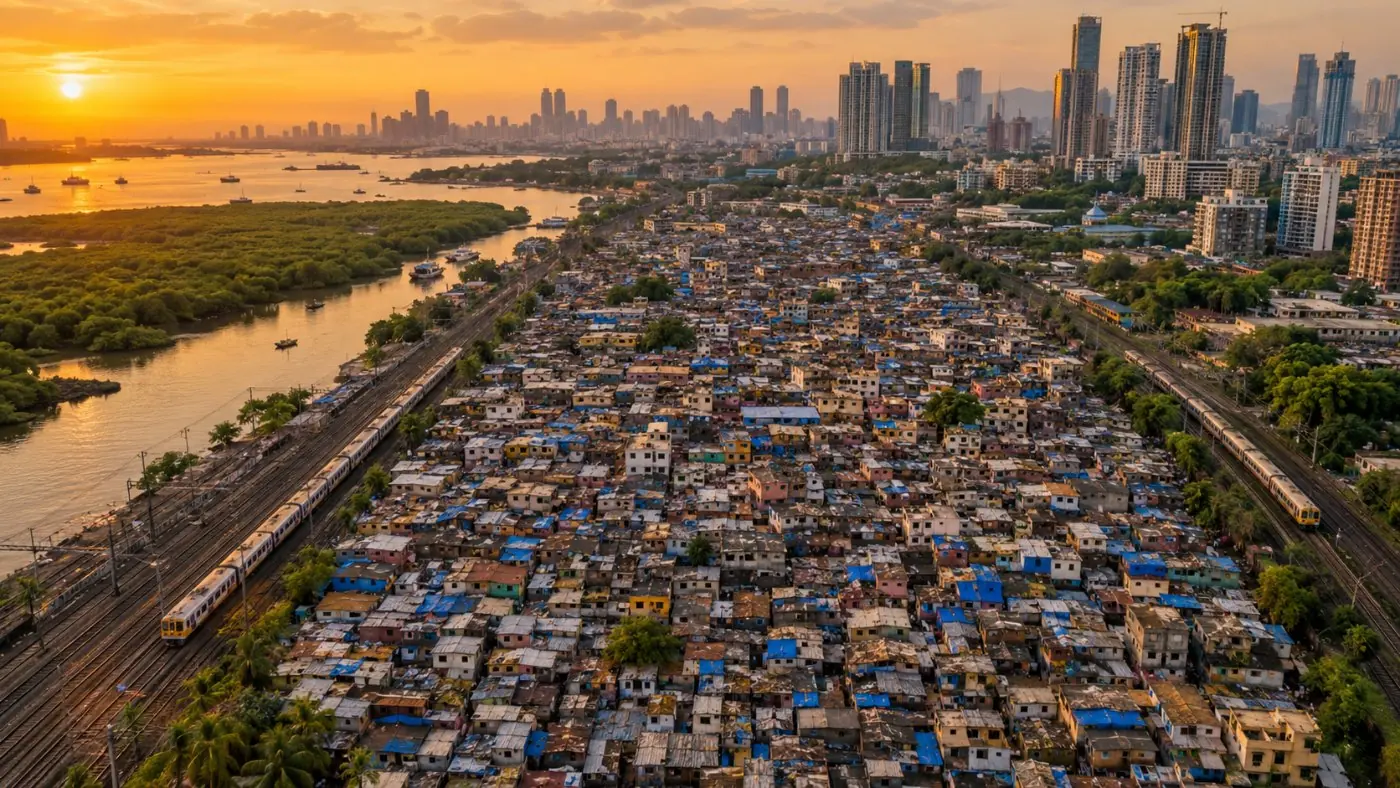
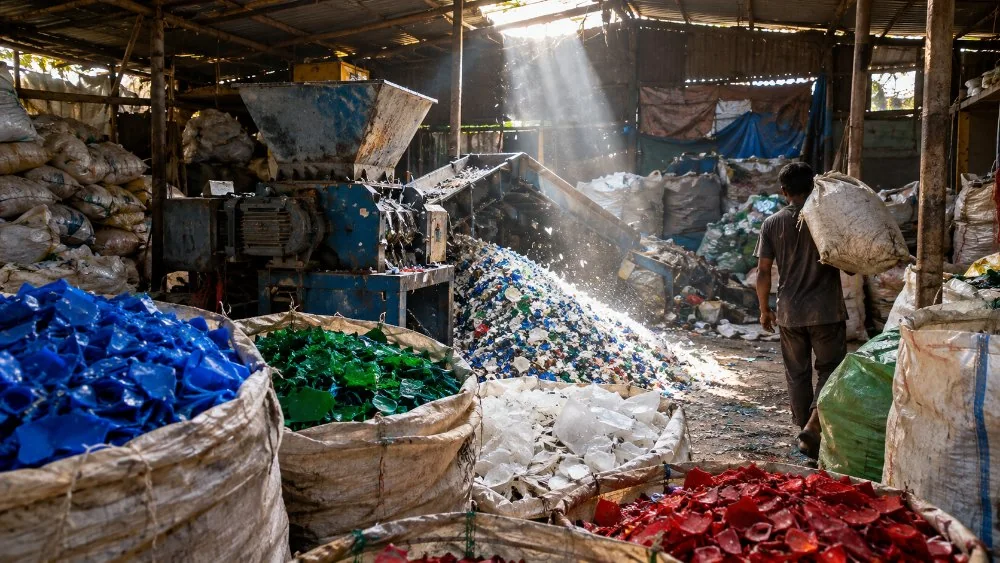
The case for: Dr Fabian Frenzel of the University of Leicester, author of Slumming It, argues that slum tourism need not be exploitative, and that it should be judged against the alternative, which is tourists ignoring inequality altogether (University of Leicester). Dharavi has real things to show: the recycling trade, the potters, a century of migrant history. We think a good walk here teaches more about Mumbai than a day of monuments.
What do Dharavi residents think of the tours?
The one survey we know of found most residents positive, with clear objections to photos and to visitors who look and leave.
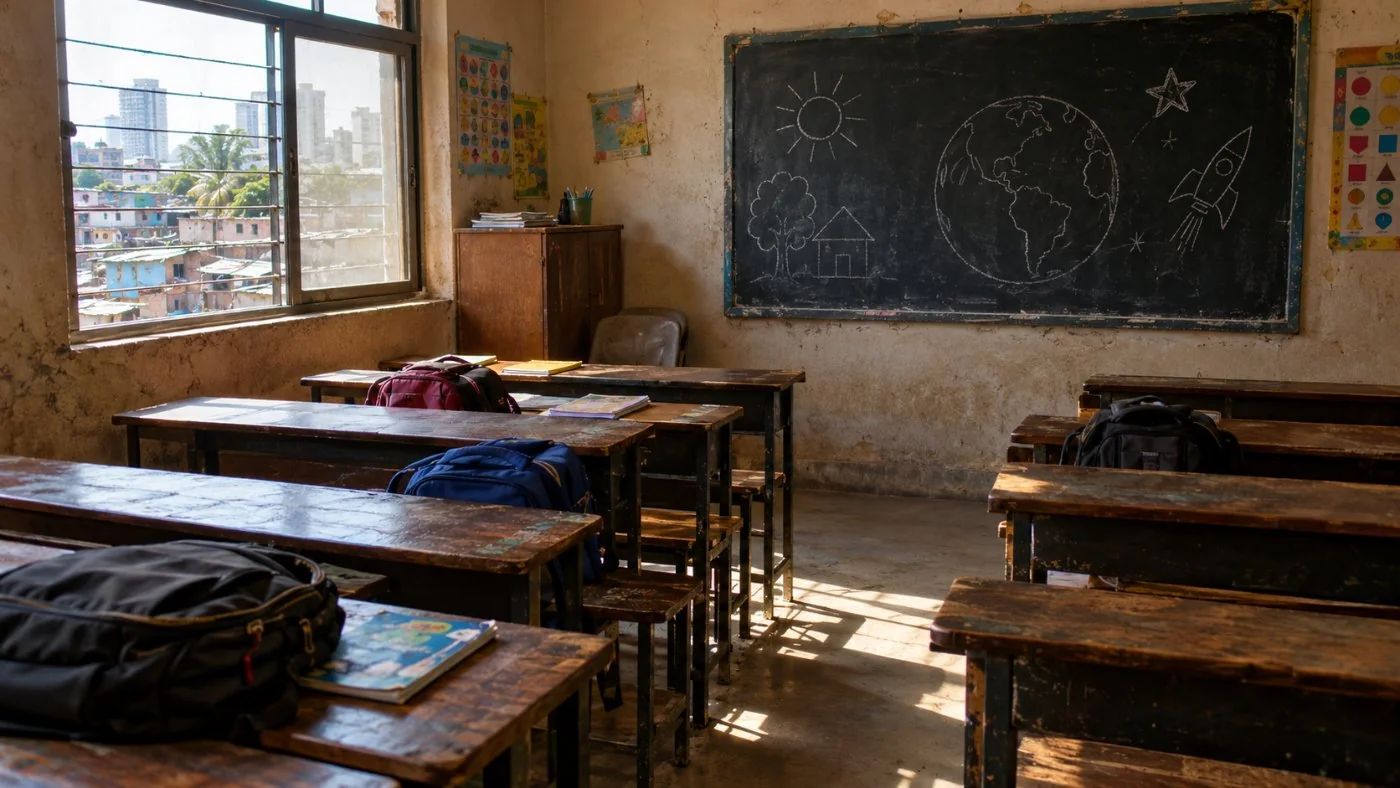
In 2016 a Durham University student interviewed 81 residents for a dissertation commissioned by Reality Tours (the study, PDF). 79% were positive about the tours. The concerns were photography, "come, look and leave" visits and too little interaction. 65% had never heard of Reality Gives, the company's own NGO.
Read it with care. Eighty-one people is a small sample, it is not representative, and the company paid for it. An earlier University of Pennsylvania study (2010) found residents mostly ambivalent and tourists driven mainly by curiosity. Neither paints residents as hostile. Both say the visit is only as good as the visitors' manners.
Small groups, no cameras and a company that publishes its resident survey.
Check dates for the Reality Tours walkIs a Dharavi tour poverty porn?
A good one is not. Poverty porn is about pity and pictures; the better Dharavi walks are about trades, history and conversation, and leave the camera at home.
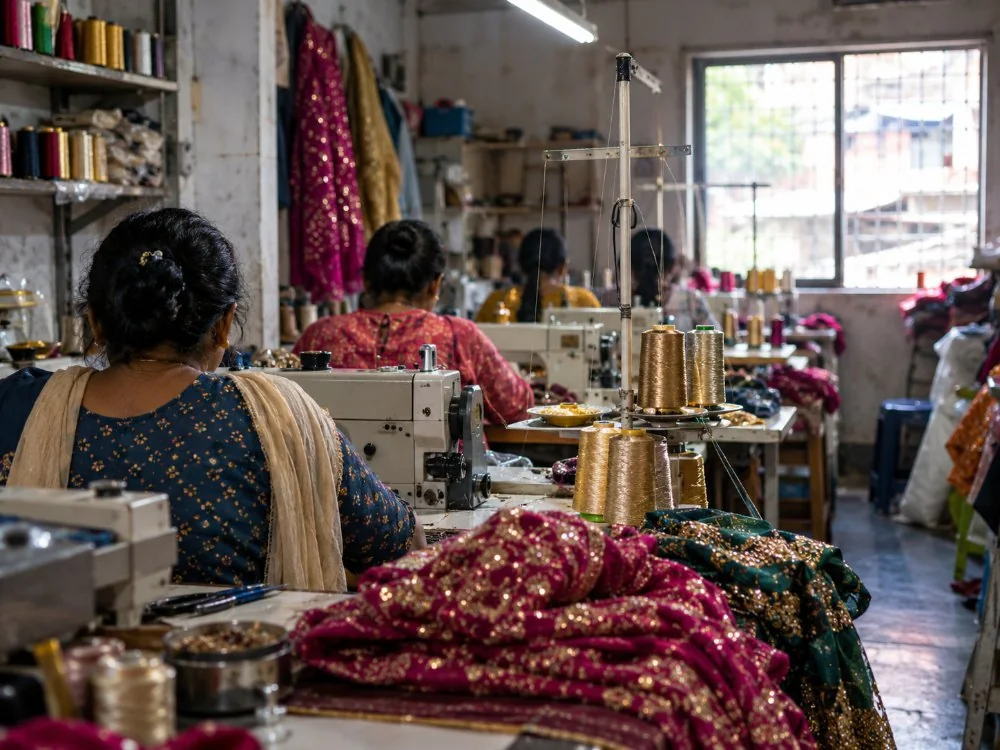
Look at what the itinerary sells. Reality Tours' listing says it aims to challenge negative stereotypes and shows recycling, pottery, embroidery, baking, soap and leather. The resident-guide walks pitch the same trades, told by people who live there. One guest on Amaze Tours' Slumdog Millionaire walk noted: "It was respectful to the locals with rules in place."
The risk is still yours to manage. A tour can be designed well and visited badly. Treat it as a neighbourhood walk with a guide, not as a show, and it stays on the right side of the line.
Where does the money from a Dharavi tour go?
To the guide and operator first. Reality Tours says 80% of its post-tax profits go to its NGO; resident guides keep a share of a smaller fee. The booking platform, and sites like ours, take a commission.
Reality Tours states that 80% of post-tax profits from all its tours fund Reality Gives, set up in 2009, which runs English and computer classes and skills workshops at a community centre in Dharavi. That is the company's own claim; it publishes no audited split on its tour page.
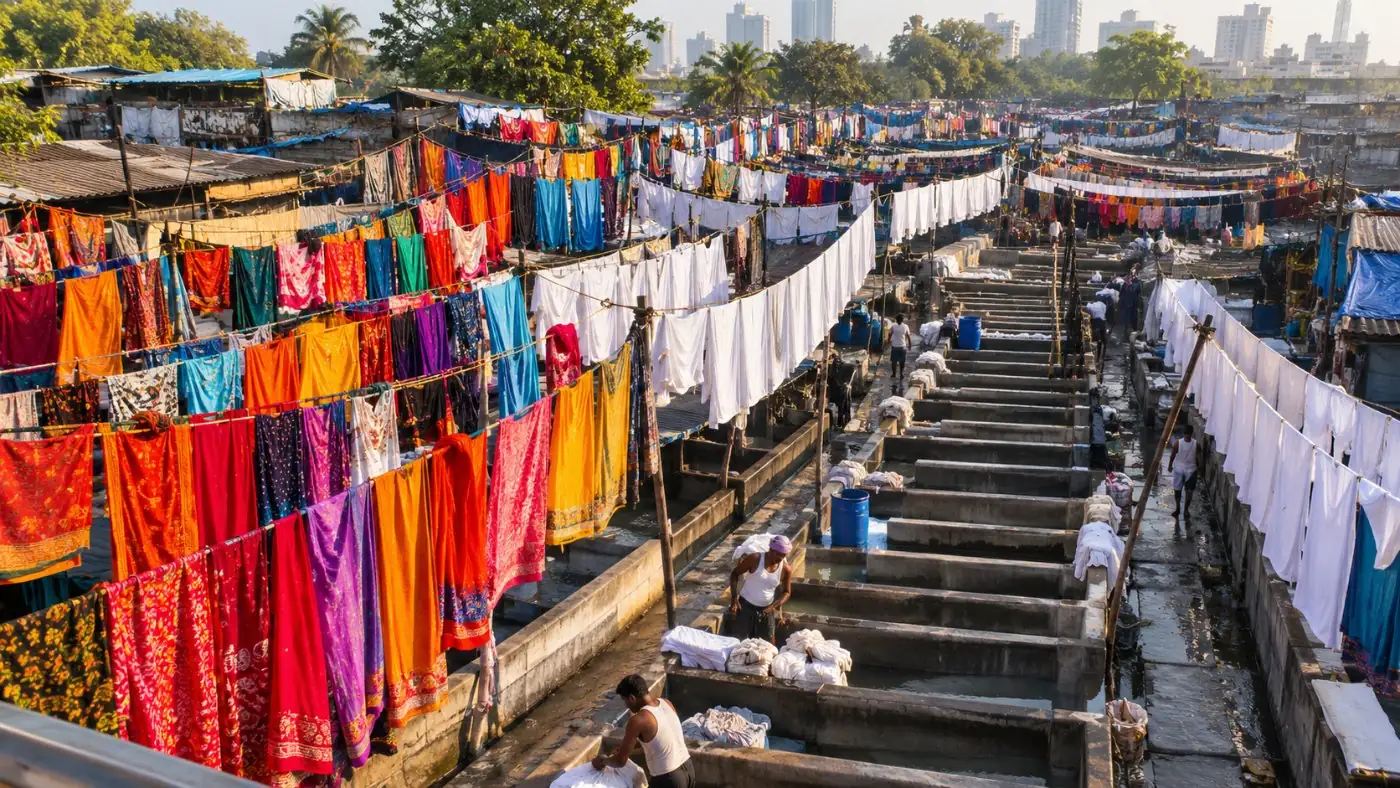
Resident-guide walks such as Dharavi and Dhobi Ghat pay people from the neighbourhood directly, which is its own kind of benefit. On every booking through GetYourGuide, the platform takes a cut, and we earn a commission on some bookings, as our disclosure says. If you want more of your money to stay in Dharavi, tip the guide and buy a drink or a pot from the people you meet.
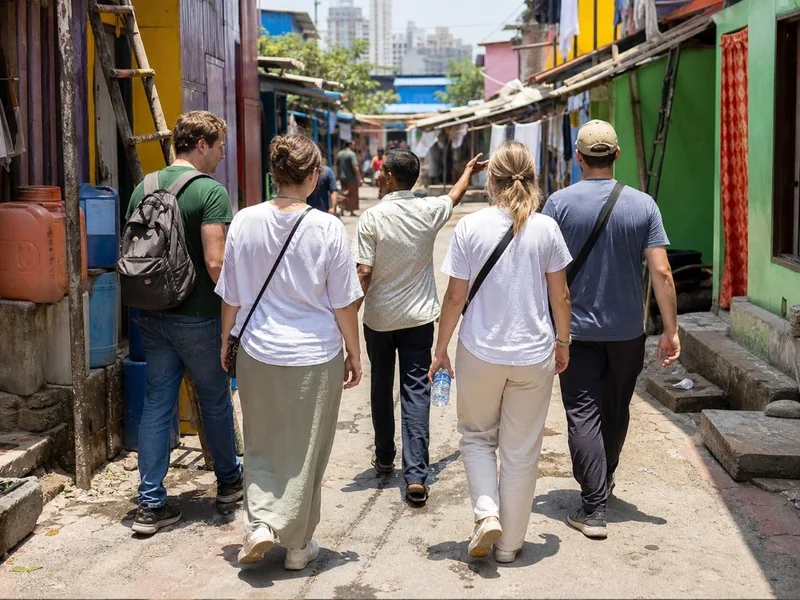
The operator that sends 80% of post-tax profits to its own Dharavi NGO, by its own account. Groups of six.
Explore the Reality Tours walk Tour detailsWhy do so many Dharavi tours ban cameras?
To protect residents' privacy. People were tired of being photographed by strangers, and a no-camera rule changes how visitors behave.
Reality Tours introduced its strict no-camera policy "in order to respect the privacy of the local residents" (tour page). Amaze Tours forbids photography inside Dharavi on its local-train tour. The rule has a side effect most guests end up liking: without a phone in hand, you look at people and talk to them.
Not every operator bans cameras. Where photos are allowed, ask each person, every time, and take no pictures of children, homes or anyone working who has not said yes.
How do you visit Dharavi respectfully?
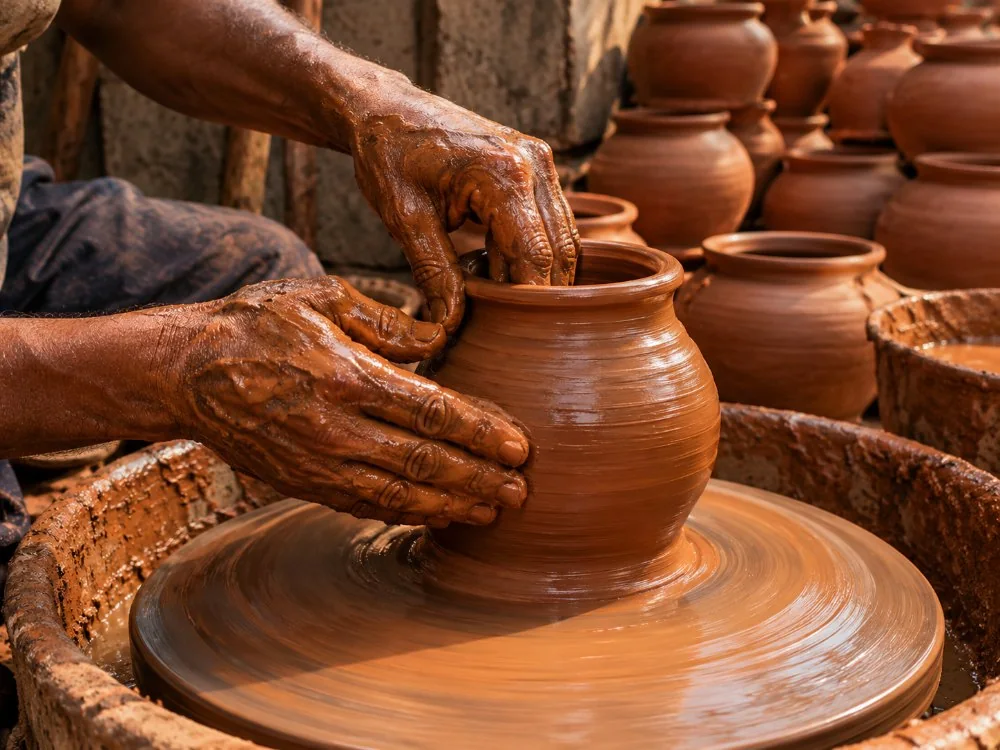
Small group, modest clothes, no photos without a clear yes, questions instead of comments, and no wandering into homes or units on your own.
- Pick a small group. Six people in a lane is a visit; twenty is a procession.
- Dress as you would for a temple: shoulders and knees covered, closed shoes.
- Talk to people. The survey's biggest complaint was visitors who look and leave.
- Keep words like "poor" or "dirty" out of the lanes. People understand more English than visitors assume.
- Follow the guide. Entering a workshop or a home is by invitation.
- Do not hand money or sweets to children. Give through an NGO or tip your guide instead.
Book a walk with a guide who lives in Dharavi, then the open-air laundry.
Check dates for Dharavi and Dhobi GhatShould you buy things or give money on a Dharavi tour?
Buy if you want something, not out of guilt. Do not give cash to children, and be wary of any tour that pressures you to donate.
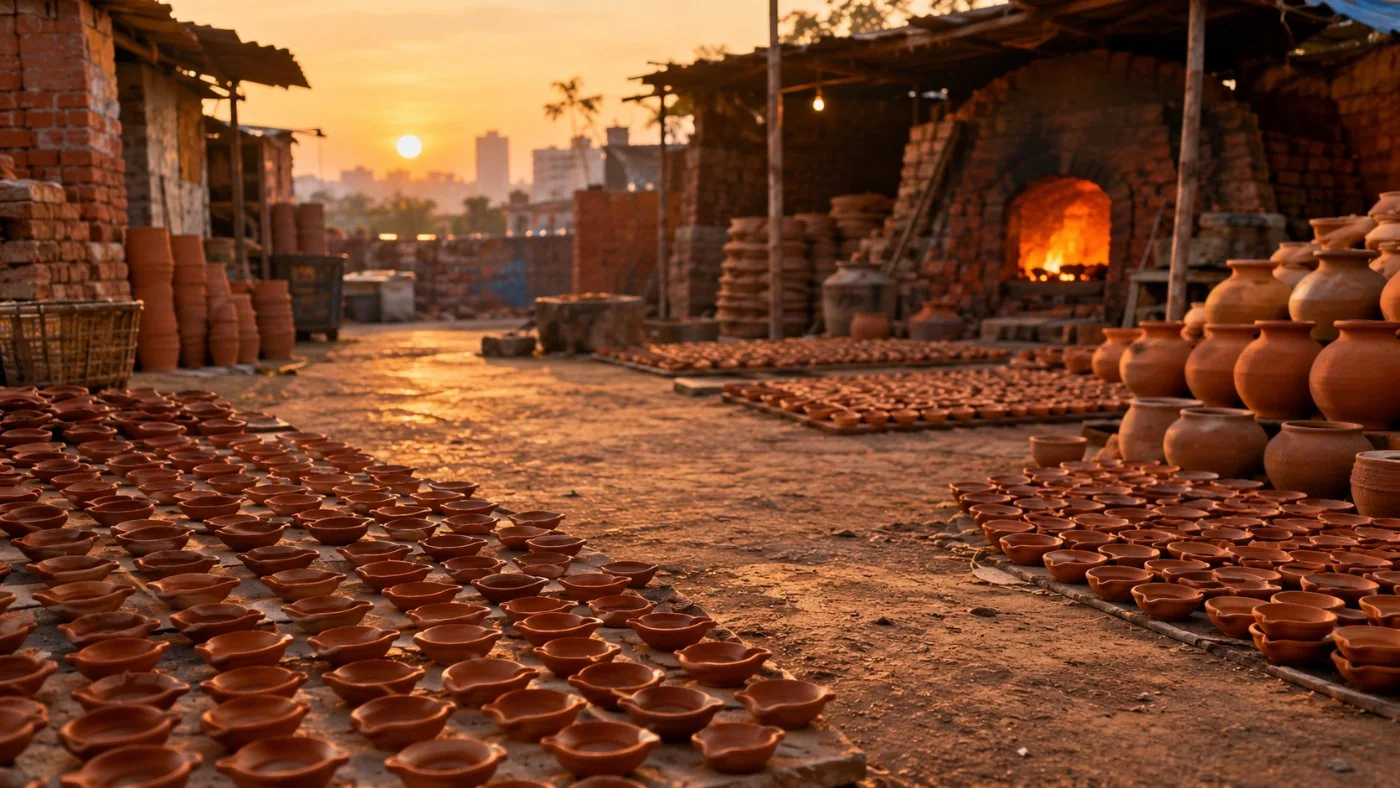
Reality Tours says it does not sell or ask you to buy products made by residents during the walk; it sells its own merchandise at the end, with profits to Reality Gives. Amaze Tours' Slumdog Millionaire walk ends at a pottery, where you can buy a diya or a pot at a normal price and carry home something useful.
Tips for guides are not included on several listings and are welcome. A firm "no thank you" is enough if anyone asks for a donation you did not plan to make.
Is it better to skip Dharavi altogether?
We don't think so. Staying away does nothing for anyone in Dharavi, and a respectful walk pays local guides and counters the stereotypes.
Skipping is a fine personal choice if the idea makes you uneasy. It is not a moral win. Frenzel's point stands: the alternative to a well-run tour is not respect, it is not knowing. Dharavi is also changing fast as the redevelopment begins; see the redevelopment guide. Visit to learn how a neighbourhood works, not to see it before it goes.
If you decide to go, which tour to book compares the operators on group size, camera rules and price.
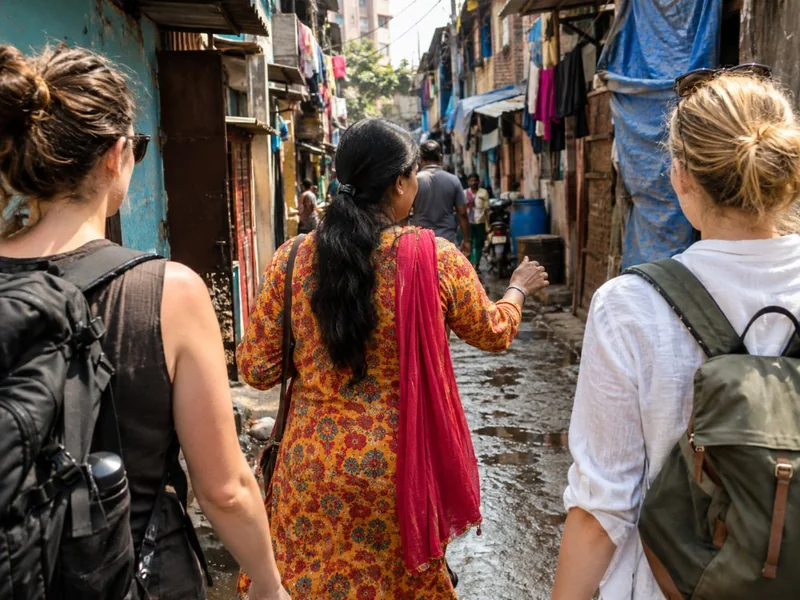
A walk led by a woman guide, with pickup on some options: a quieter way into the lanes.
Explore the walk with a female guide Tour detailsFrequently asked questions
Is it disrespectful to visit Dharavi?
Not if you go with a small, guided group, dress modestly and skip photos of people. Disrespect comes from behaviour, not from the visit itself.
Do Dharavi residents benefit from tourism?
Some do: resident guides, the businesses you visit and, by Reality Tours' account, Reality Gives' classes. The benefit is modest and uneven.
What is Reality Gives?
The NGO founded in 2009 by Reality Tours' founders. It runs English, computer and skills classes in Dharavi, funded in part by tour profits.
Is it ethical to take photos in Dharavi?
Only with clear permission, and not of children or inside homes. Many tours ban cameras to remove the temptation.
Ready to book
Choose your walk
Free cancellation up to 24 hours before on every option. Prices are from-prices in USD and move with the season.
Dharavi Walking Tour with Reality Tours
- English-speaking local guide, group of up to six
- Recycling, pottery, leather and the residential lanes
- Water or a cold drink at the end
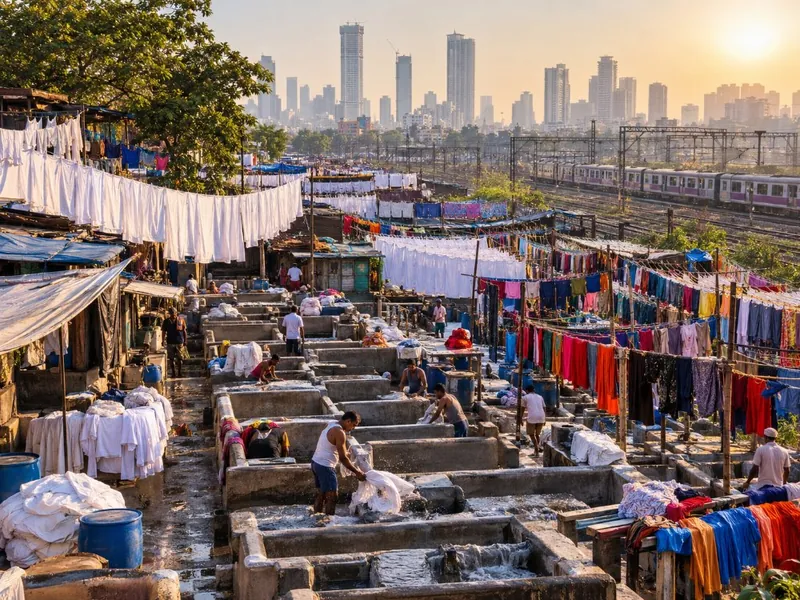
Dharavi & Dhobi Ghat with a Resident Guide
- English-speaking guide who lives in Dharavi
- Shared or private option
- Water, food and drinks listed as included
Dharavi Walk with a Female Guide
Led by a woman guide, a natural fit for women travelling alone